Stern Tube Seals

Ocean Seal® Type Approved Stern Tube Seals by RM Propulsion
“Made in Europe, DNV certified for reliability”
RM Propulsion manufactures and supplies Ocean Seal® type approved stern tube seals, designed and made in Europe for high performance and long-term durability.
Because marine operations demand uncompromised sealing performance, we use only premium elastomers, FKM (Viton®) and HNBR (Perbunan S®). These materials ensure sealing integrity in both extreme and routine conditions, whether you’re operating systems originally delivered by OEMs such as Wärtsilä®, Simplex®, SKF®, Blohm+Voss®, Kemel®, Kobelco®, or Lagersmit®.
Ocean Seal® products are engineered for seamless integration into oil-lubricated stern tube systems used across these brands. As a result, they offer a dependable and cost-effective alternative to OEM-sourced seals, with full compatibility for lip seal and air seal configurations.
Oil Lubricated seals
We designed our seals with materials that perform reliably with both EAL oils and mineral oils. They fit directly into lip seal and air seal configurations used in leading oil-lubricated systems. We help shipowners, reduce costs, speed up sourcing, and stay in control of maintenance.
- Sailing in U.S. waters? Use FKM (Viton®) to comply with EAL/bio oil regulations.
- Operating with mineral oils? Choose HNBR (Perbunan S®) for a durable, cost-efficient solution— if confirmed by seal assembly drawing. Not compatible? Default to FKM to maintain system reliability and compliance.
Compatible with All Leading Brands
Ocean Seal® stern tube seals are engineered by RM Propulsion to integrate directly with all major OEM systems. There is No need to rely on the original makers. As an independent marine service specialist, we deliver OEM-level quality without the OEM price tag and limitations.
Our seals ensure reliability, safety, and full compliance with international marine standards. Whether you’re looking to reduce costs or streamline maintenance, RM Propulsion is your trusted partner for stern tube seal solutions and service.
We support direct replacement for:
- *SKF Simplex® AirSpace, Compact SC-1, Compact 2000, SC-2
- *Kobelco® C, CX, DX, AX
- *Kemel® C, CX, DX
- *Wärtsilä® Airguard, MK-2, OLS2, OLS3, OLS4
- *Lagersmit® Supreme Seaguard Ventus
- *IHC Lagersmit® Supreme
- *Lips® MK-2
- *John Crane® MK-2
- *Waukesha® MK-2
- *Chuetsu® MK-2
- *Dover Japan® MK-2
- *JMT (Japan Marine Technology®) MK-2
- *Deep-Sea Seals® MK-2
Ready to cut costs, simplify sourcing, and secure high-quality materials? Contact us today for a quotation.
*RM Propulsion has no commercial relationship with the mentioned companies or brands on our website. We are an independent company in the marine industry.




Why Ocean Seal® stern tube seals?
-
Certified materials
DNV type approval. Built for use with both bio and mineral oil systems. Performance and compliance come standard. -
Universal fit
Seamless integration with all major OEM platforms. Compatible without limitations. -
European made
Reliable supply, consistent quality, and fast turnaround. -
Stock in Europe and China
Strategically located inventory ensures faster delivery, reduced lead times, and smoother planning wherever your vessel operates. -
One-year warranty included
All Ocean Seal® stern tube seals come with a one-year warranty for added peace of mind. -
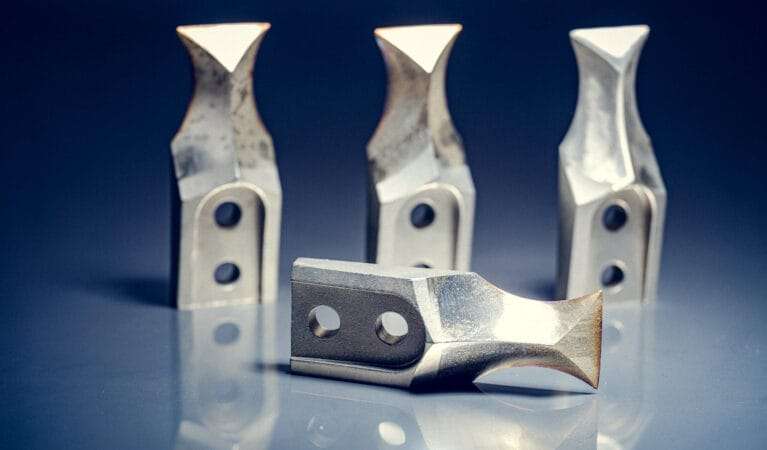
Net cutters
Extra protection for your stern seals with our high-quality net cutters. -
Complete installation kit
We supply everything you need for a full stern tube seal system overhaul, including O-rings, gaskets, anodes, and fasteners. -
Supply of AFT and FWD Liners
Commonly referred to as chrome steel liners, these are manufactured from high-grade duplex stainless steel. They are OD finished and suitable for all standard systems. Any additional machining work is performed by the customer.
What Do Stern Seals Do?
First and foremost, stern seals serve a dual purpose. Firstly, they block seawater from entering the stern tube, where it could corrode or damage internal bearings. Secondly, they prevent lubricating oil from escaping into surrounding waters, a major environmental concern.
If either failure occurs, the consequences are immediate and costly: operational downtime, mechanical damage, or even legal penalties. Thus, a robust and certified sealing solution is essential.
In fact, the stern tube operates entirely below the waterline. That is to say, the seals are constantly exposed to dynamic pressure, motion, and external conditions. Accordingly, their design and material quality must meet the highest standards in marine engineering.
What’s the Difference Between AFT & FWD Stern Seals?
There are two primary types of stern tube seals: the aft stern seal and the forward stern seal. Both are essential, and together, they form the vessel’s first line of defense against leakage.
Forward Stern Seal
Located at the inboard (engine-room) end of the stern tube, the forward stern seal keeps lubricating oil from leaking into the vessel. Not only does this protect equipment, but it also reduces the risk of fire or mechanical issues.
If this seal fails, then oil may contaminate the engine room, which puts operational safety at serious risk.
AFT Stern Seal
The aft seal is mounted at the outboard end of the stern tube, beneath the waterline. It must simultaneously block seawater from entering the system and stop oil from leaking into the sea.
In other words, it protects both the vessel’s propulsion system and the marine environment. Moreover, in many jurisdictions, it helps ensure compliance with strict environmental legislation.
Why Do They Matter?
Together, these seals form a unified barrier system. If either one fails, the integrity of the entire shaft line is compromised.
After all, a leaking seal can lead to serious operational and environmental costs. Consequently, selecting the right aft and forward stern seals is not just a technical choice, but also a business-critical one.
All things considered, investing in durable, type-approved stern seals is essential for operational reliability, environmental compliance, and overall cost control.
If you’re facing oil leakage or water ingress, please don’t hesitate to contact us. We’ll provide technical advice free of charge, so you can act quickly, avoid unnecessary downtime, and restore system integrity with confidence.